Skip to content
Islamophobia
Policy Center
Support
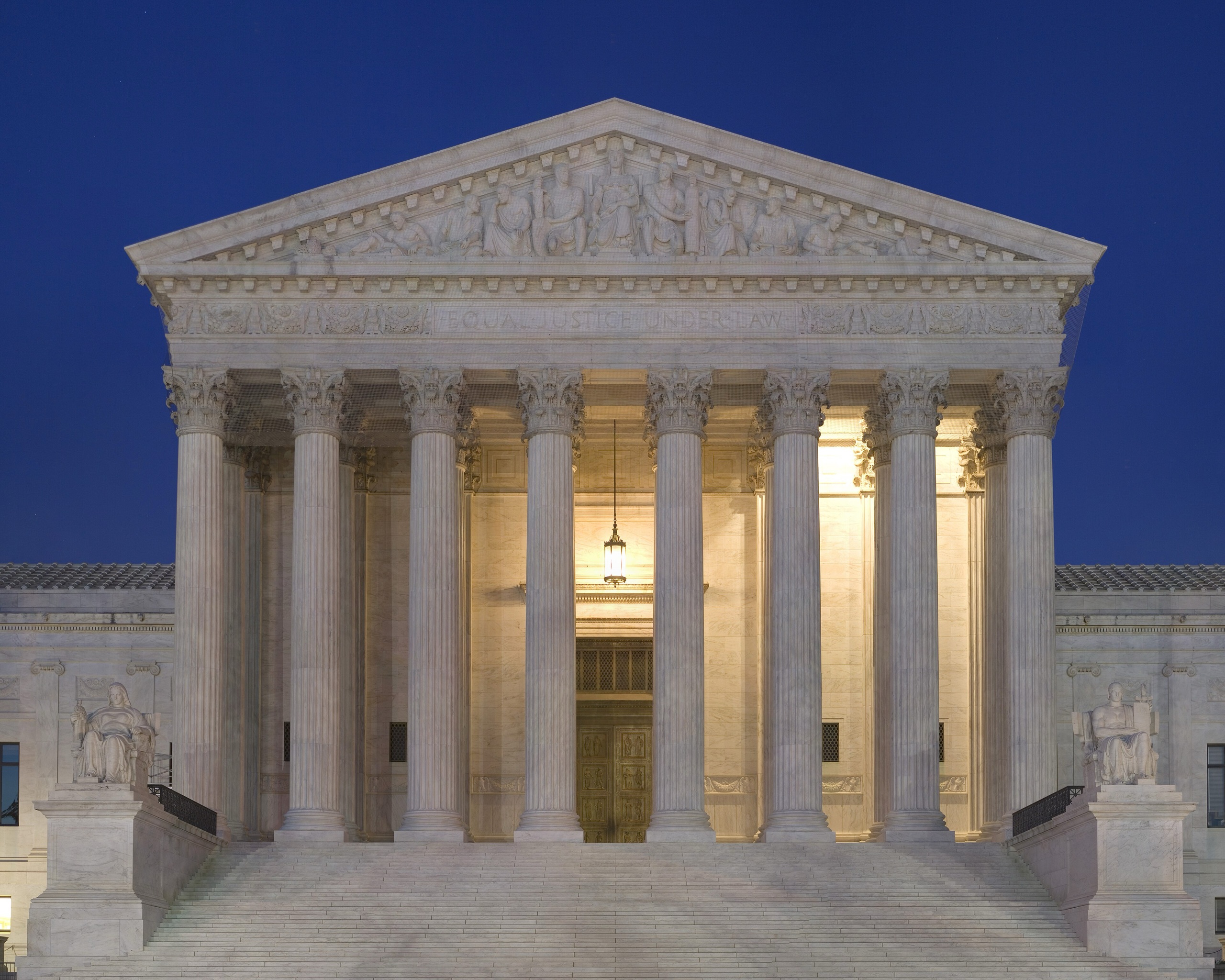
The United States Supreme Court building at dusk

Research for the record.

The Islamophobia Policy Center studies how anti-Muslim bias is written into law, policy and public narrative, and produces the evidence to challenge it.

“Congress shall make no law respecting an establishment of religion, or prohibiting the free exercise thereof.”
First Amendment, 1791

Coming soon

IPC’s first briefs and reports

What we study

How Islamophobia works

Our research follows one framework, developed in American Islamophobia. Islamophobia is not only an attitude. It is a system with three parts that reinforce one another.

01Private Islamophobia
Hate, harassment and violence by individuals. Who is targeted, where, and what the data leaves out.
02Structural Islamophobia
Laws, policies and state programs that single out Muslims, from the travel ban to surveillance and countering violent extremism (CVE) programs.
03Dialectical Islamophobia
How state policy and public rhetoric give license to private bias, and how the two feed each other.
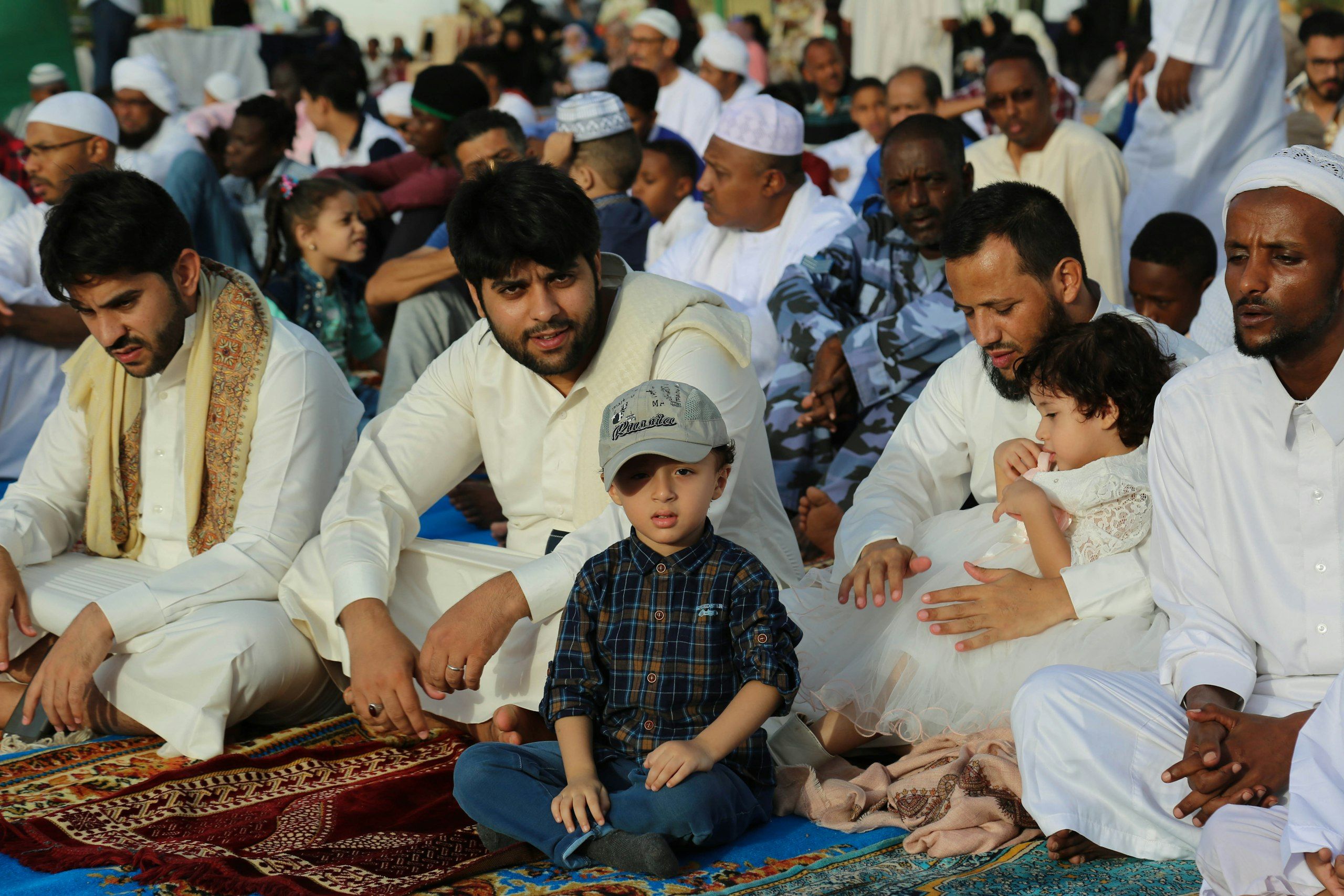
Men and children of many backgrounds sitting together on prayer rugs at a community gathering
Photo: ibrahim abdullah / Unsplash

Start with the scholarship IPC’s work builds on.

  • Leti Volpp · 2002

    The Citizen and the Terrorist

    49 UCLA Law Review 1575

    One of the earliest and most influential legal accounts of the racialization of Arabs, Muslims, and those perceived to be Muslim after 9/11. Volpp argues that the post-9/11 moment consolidated a racial category in which “Middle Eastern, Arab, or Muslim” subjects were increasingly identified with terrorism and disidentified from American citizenship through the “redeployment of Orientalist tropes.”

    Read the article: The Citizen and the Terrorist

  • Reem Bahdi · 2003

    No Exit: Racial Profiling and Canada’s War Against Terrorism

    41 Osgoode Hall Law Journal 293

    An early and influential account of how the post-9/11 War on Terror turned the racial profiling of Arabs and Muslims into a security practice in Canada, even as governments formally disavowed racial profiling. Bahdi identifies multiple forms of profiling and argues that the practice both undermines security and produces the vulnerability and exclusion of racialized communities.

    Read the article: No Exit: Racial Profiling and Canada’s War Against Terrorism
  • Khaled A. Beydoun · 2016

    Islamophobia: Toward a Legal Definition and Framework

    116 Columbia Law Review Online 108

    Arguably the canonical legal definition of Islamophobia: the “presumption that Islam is inherently violent, alien, and inassimilable, combined with the assumption that Muslim identity correlates with terrorism.” The framework covers both state and private Islamophobia, and explains their mutually reinforcing relationship through a fluid “dialectic” that binds state action to societal ideation.

    Read the article: Islamophobia: Toward a Legal Definition and Framework
  • Khaled A. Beydoun & Nura A. Sediqe · 2023

    Unveiling: The Law of Gendered Islamophobia

    111 California Law Review 465

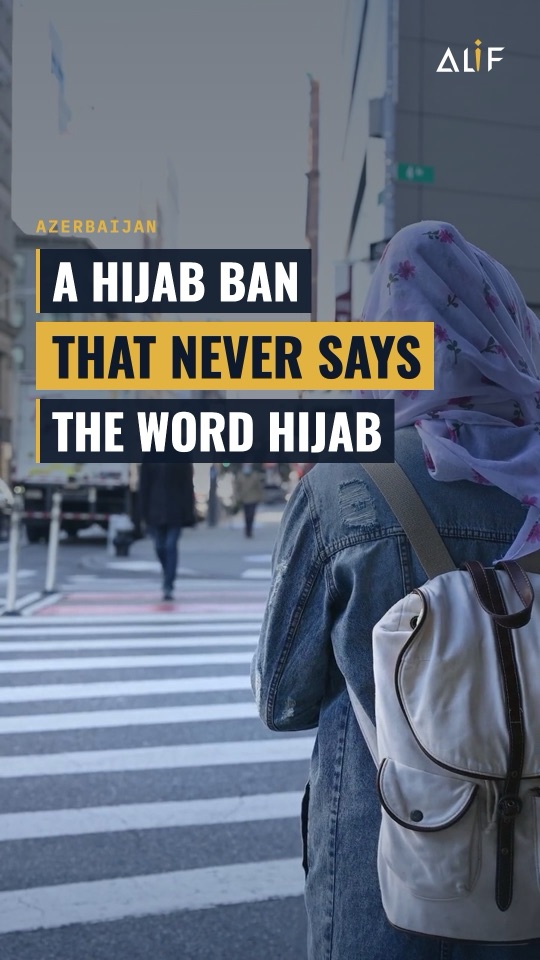
    This article expands the field by arguing that Islamophobia does not operate identically against Muslim men and Muslim women. It develops a theory of gendered Islamophobia, examining how tropes of “submissive” and “subordinate” Muslim women produce distinct legal harms through hijab regulation, terrorism prosecutions, immigration, and asylum law, against a dialectic in which Muslim men are caricatured as “violent” and “oppressive,” the masculine threat envisaged by national-security law.

    Read the article: Unveiling: The Law of Gendered Islamophobia

The Reading List

Essential scholarship on Islamophobia, law and society, chosen by IPC’s scholars and updated each term.

See the full list

Consulting

Training, partnerships and advice for institutions that want to get this right, with research behind every recommendation.

Partner with us
  • Government

    Policy review, testimony and briefings.

  • Employers

    Workplace policy and training.

  • Universities

    Campus climate and curriculum.

  • Newsrooms and civil society

    Research partnerships and expert commentary.

  • Technology companies

    Finding and fixing anti-Muslim bias in AI.