
About IPC
An independent research institute.
Mission
The Islamophobia Policy Center (IPC) is a forward-thinking institution dedicated to interrogating, documenting, and dismantling Islamophobia. Islamophobia is endorsed and enforced through law, making IPC and its founders uniquely positioned to confront and counter it.
Building on Khaled A. Beydoun’s pioneering framework, IPC understands Islamophobia as the presumption that Islam is inherently violent, alien, and foreign, coupled with the belief that expressions of Muslim identity correlate with a propensity for terrorism. Islamophobia operates across private, structural, and dialectical dimensions: through the actions of individuals and private actors; through laws, policies, and institutions; and through the reciprocal process by which state practices and public narratives reinforce and legitimize one another.
Our mission is not simply to respond to Islamophobia as it emerges, but to anticipate its evolving forms and develop the research, ideas, and strategies necessary to confront them. Through rigorous original scholarship, policy analysis, data, and innovative digital and traditional media, IPC produces knowledge that exposes the local and global manifestations of Islamophobia and equips scholars, policymakers, government officials, community leaders, corporations, advocates, and the public to challenge them.
Founded by leading scholars and practitioners, IPC serves as an intellectual incubator and policy resource at the intersection of research, advocacy, and institutional reform. We develop new frameworks for understanding Islamophobia, produce original research and public-facing content, build institutional capacity, and provide expertise to partners across the public and private sectors.
Across academia, government, corporations, civil society, media, and digital spaces, IPC seeks to transform how Islamophobia is studied, understood, measured, and confronted.
Leadership
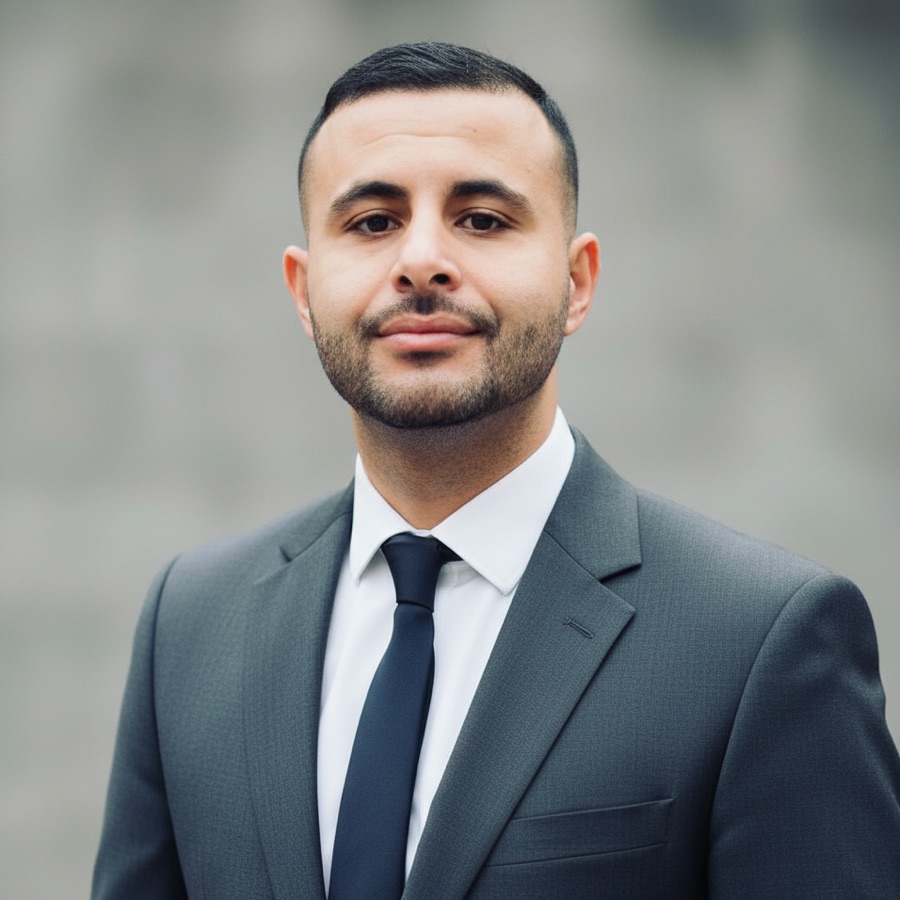
Khaled A. Beydoun
Law Professor (ASU Law) and Author
Khaled A. Beydoun is a law professor and author. He is a leading constitutional law, security and surveillance scholar, and a pioneering thinker on Islamophobia and its relationship to the law. He holds degrees from the University of Michigan, UCLA School of Law, the University of Toronto Faculty of Law, and Harvard.
khaledbeydoun.net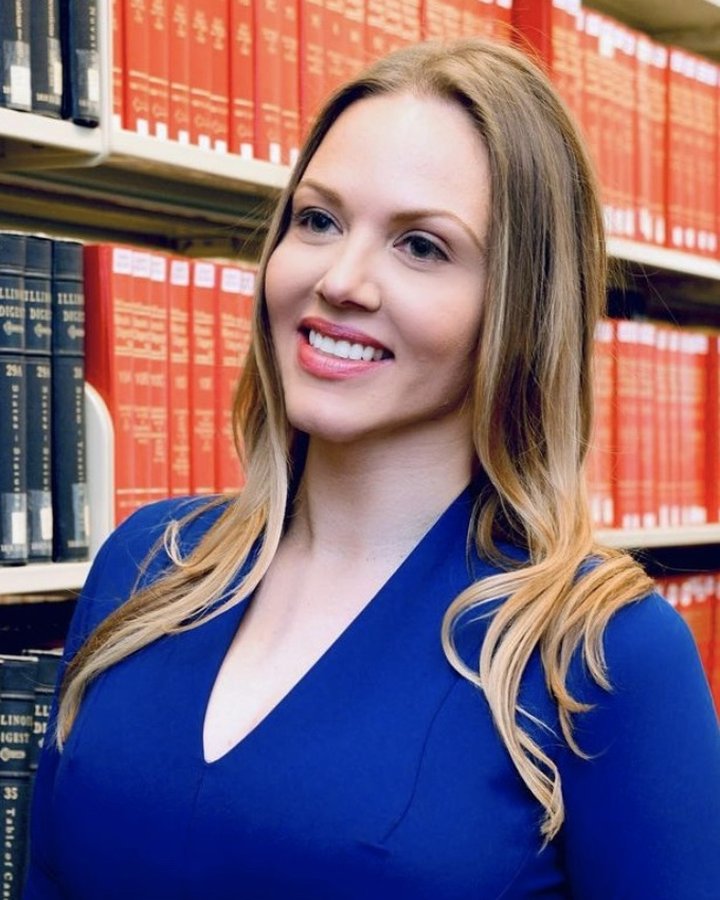
Pamela Izvănariu
Co-Founder · Professor of Law and Public Policy, University of the Pacific McGeorge School of Law
Pamela Izvănariu is a legal and sociological scholar who examines how law and technology produce and sustain structural subordination, and how communities, advocates and social movements contest it. She has written landscape analyses, policy briefs and strategy recommendations for national foundations and philanthropic consultancies.
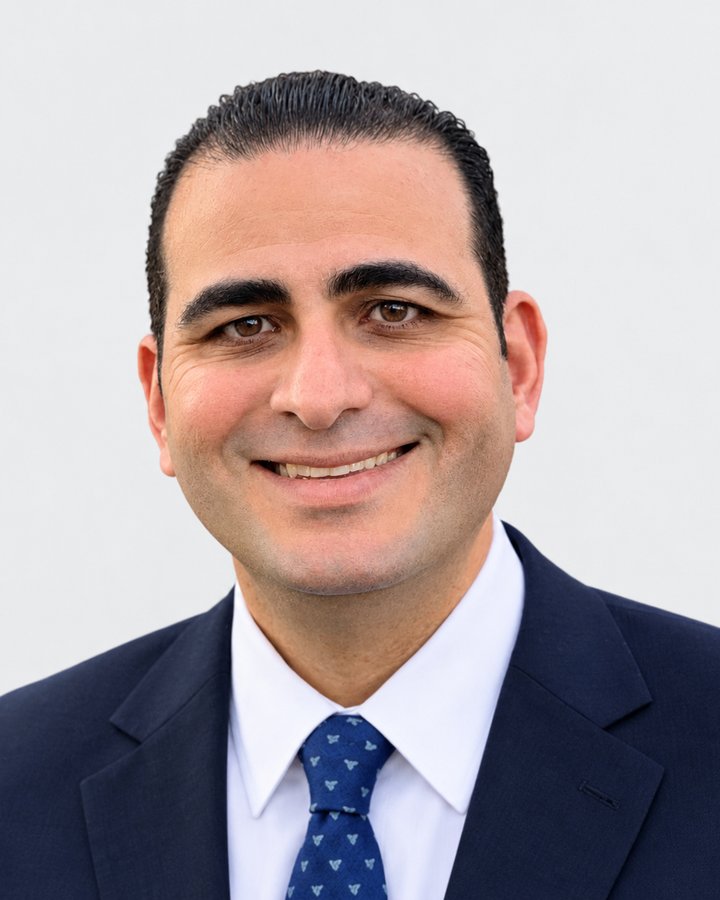
Abed Ayoub
Director of External Affairs
Abed Ayoub is a Washington, D.C.-based attorney and policy expert in external affairs, strategic partnerships and government relations. As National Executive Director of the American-Arab Anti-Discrimination Committee (ADC), he grew its membership and revenue and worked with elected officials, government agencies and community partners to advance civil rights and combat Islamophobia. Washingtonian has named him one of Washington’s Top 20 Foreign Policy Experts.

Safiya Warsame
Social Media Manager
Safiya Warsame is IPC’s Social Media Manager and an International Relations graduate of SOAS University of London. She has volunteered with Amnesty Feminists and the Unity and Justice Fund, developing an interest in community engagement and social justice. At Alif, she supports the organization’s online presence and connects with its wider community.
Advisors and faculty
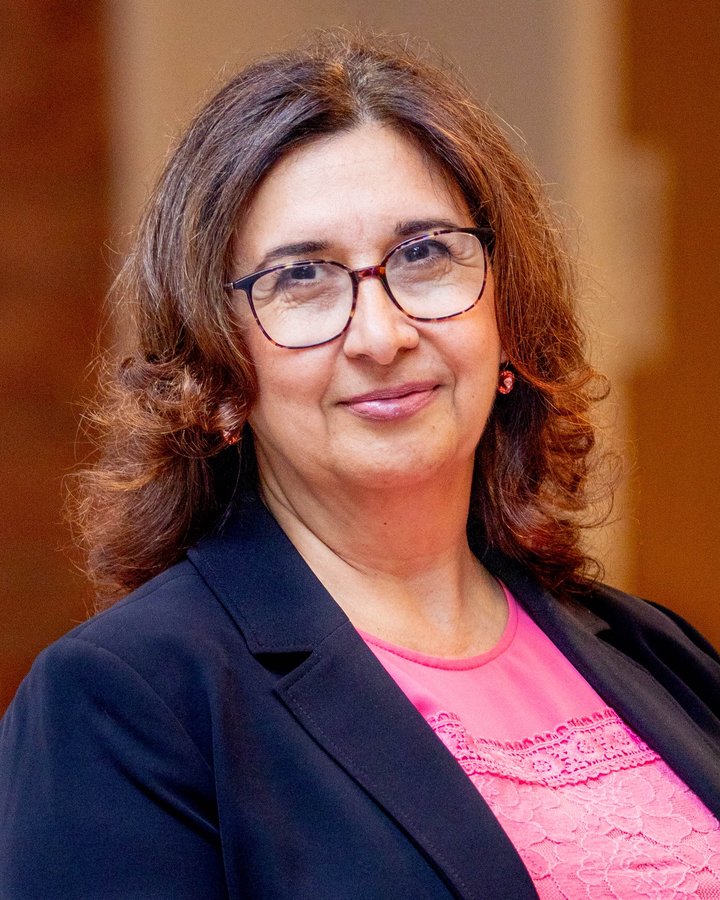
Reem Bahdi
Dean, Windsor Law, University of Windsor
Reem Bahdi is Dean of Windsor Law and the first Palestinian law dean in North America. Her teaching and research focus on access to justice in Canada and Palestine. She received the 2017 Guthrie Medal and is a member of the Royal Society of Canada’s College of New Scholars.
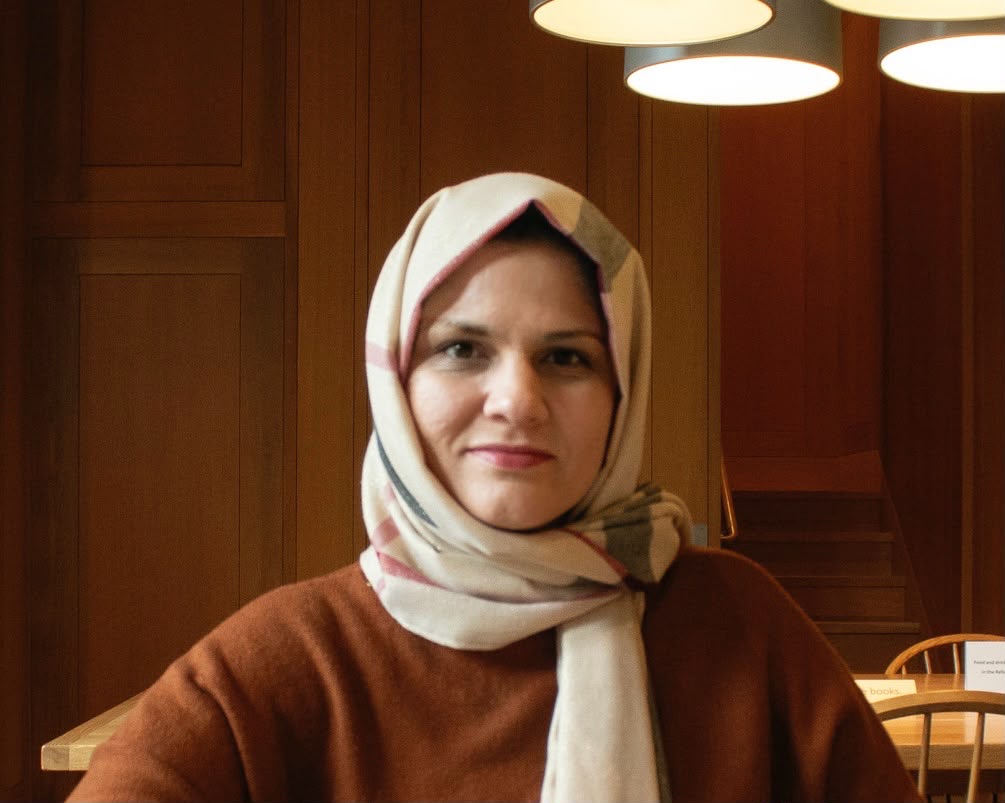
Nadia B. Ahmad
Legal scholar
Nadia B. Ahmad is a legal scholar whose work spans environmental and climate law, international law, and civil rights. She holds a PhD from Yale and co-edited the Cambridge Handbook of Islam and Environmental Law.
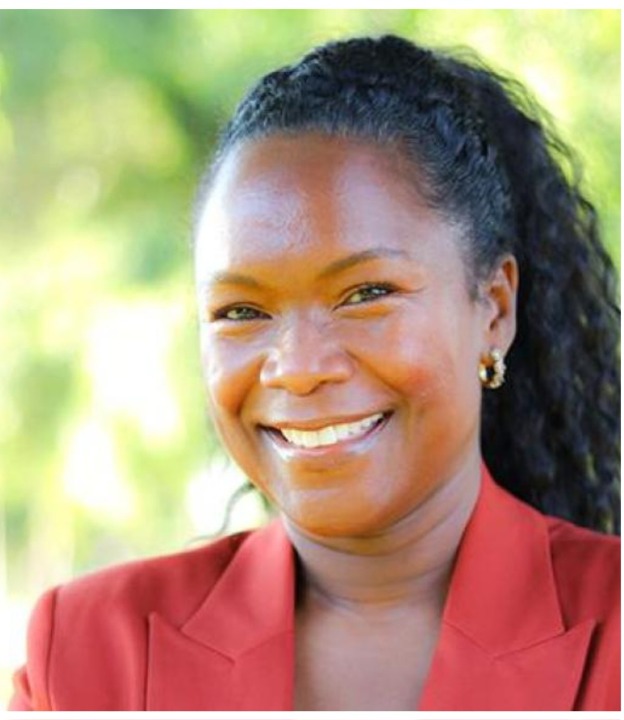
Jamiah Adams
Founder, Believers Strategies
Jamiah Adams is a digital strategist and storyteller and the founder of the political consultancy Believers Strategies. She has worked at the NAACP, MoveOn.org, the Sierra Club and the Democratic National Committee, and was an inaugural fellow at the Center for American Progress’ 2050 Leadership Institute.
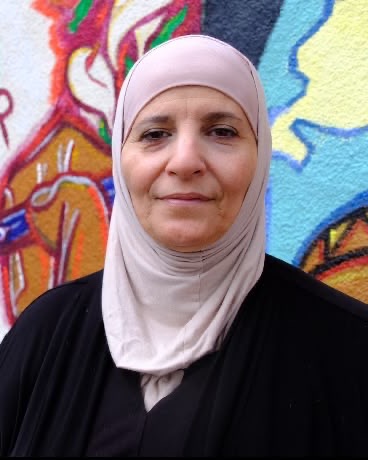
Samia Assed
Chair, New Mexico Women’s March
Samia Assed is a Palestinian American organizer who has spent decades building coalitions across Palestinian, Indigenous, Chicano, Black, Jewish and Muslim communities. Her work focuses on anti-racism, Islamophobia and anti-Palestinian racism.
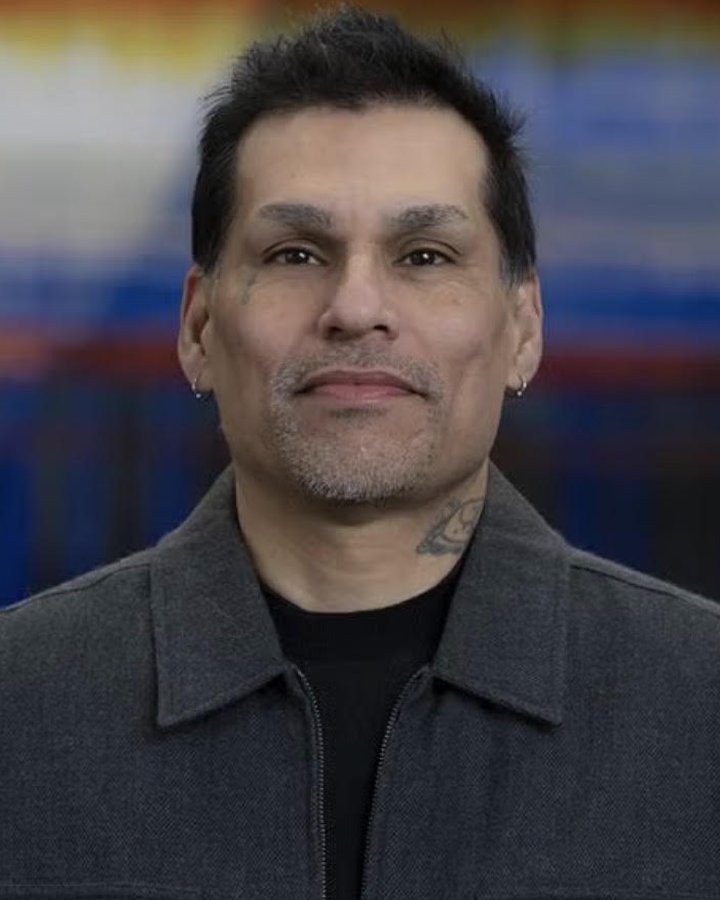
SpearIt
University of Pittsburgh School of Law
SpearIt is a Professor of Law at the University of Pittsburgh School of Law. His most recent book, Muslim Prisoner Litigation: An Unsung American Tradition (University of California Press, 2023), examines the history of Muslim prisoner litigation through the lens of OutCrit jurisprudence.

Oluwakemi A. Ayanleye
Law Lecturer, Olabisi Onabanjo University, Nigeria
Oluwakemi A. Ayanleye is a law lecturer at Olabisi Onabanjo University, Nigeria, specializing in Islamic finance and sharia legal systems. She has published extensively on Islamic finance regulation, presented at Harvard Law School, and received TETFund research grants. Her interdisciplinary expertise spans Islamic law, intellectual property, and international trade law.
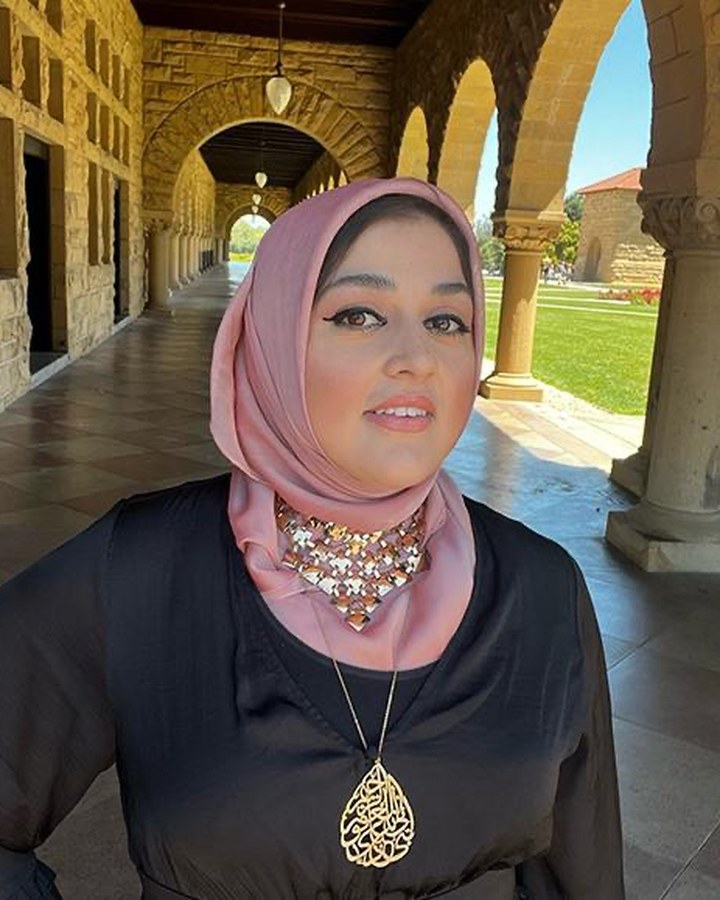
Nura A. Sediqe
Assistant Professor of Political Science, Michigan State University
Nura A. Sediqe is an Assistant Professor of Political Science and core faculty in the Muslim Studies Program at Michigan State University. Her research covers political behavior and race, ethnic and gender politics; her policy work focuses on civil rights, New Americans and Afghan refugee resettlement.
Scholars and practitioners who would like to join IPC as experts or affiliated faculty are welcome to get in touch.